Akojede Oluwadamilola, Deputy Editor-In-Chief, LASU Conscience
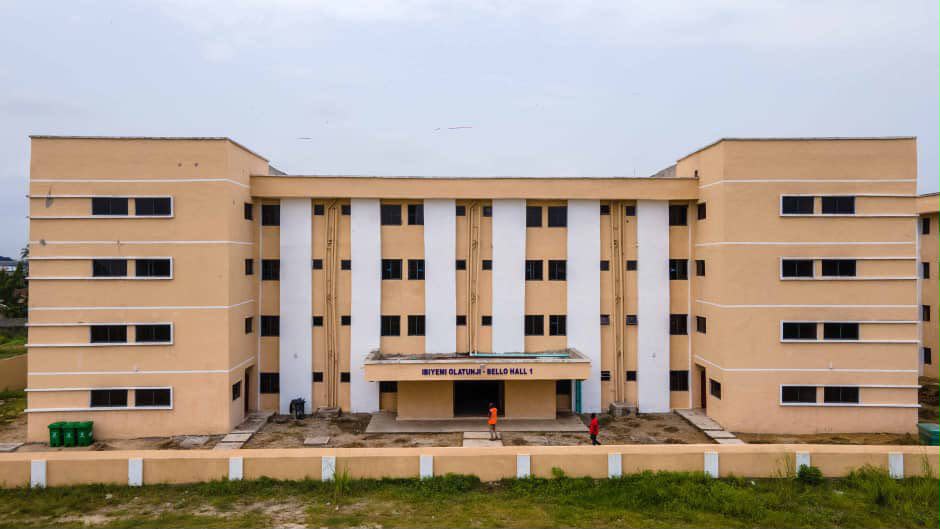
Lagos State University (LASU) students seeking on-campus accommodation are now faced with a significant increase in hostel fees, with the new rates adding as much as ₦200,000 to the cost of securing a bed space.
Under the new fee structure, the six-man hostel fee has increased from ₦252,500 to ₦352,500, representing an additional ₦100,000. The four-man hostel fee has risen from ₦352,500 to ₦552,500, an increase of ₦200,000.
The increase has raised concerns among students, particularly over affordability and the reason behind the new charges.
For many students, the issue goes beyond the amount itself. With the rising cost of transportation, feeding, academic materials and other daily expenses, another significant increase in accommodation costs places an additional financial burden on students and their families.
More importantly, students deserve to understand why the fees have increased and what they are expected to receive in return.
While the current economic realities in Nigeria have affected the cost of goods, services and institutional operations, students have been left wondering whether the new hostel rates are connected to increased operational costs, renovation, maintenance, improvements to existing facilities or other plans by the university.
A substantial increase in accommodation fees should come with transparency about what has changed and what students can expect in return.
To understand students’ experiences beyond the figures, LASU Conscience spoke with students currently residing in the university’s hostels.
One of the students, who spoke on condition of anonymity, described the hostel as generally fine and noted that electricity supply is relatively consistent. However, she identified water supply as an area of concern.
According to the student, “water is usually supplied in the morning, after which Students have to fetch and store it for later use”. She suggested that a more reliable water supply system, such as accessible taps within the hostel, would make accommodation more convenient for residents.
Despite this concern, she identified the increase in accommodation fees as her major concern, describing the new cost as excessive.
While one student’s experience cannot represent every hostel resident, it highlights the importance of examining whether improvements in hostel facilities have kept pace with the rising cost of accommodation.
If students are expected to pay an additional ₦100,000 or ₦200,000, they deserve to know what has changed.
Another concern is the lack of clear communication surrounding the new rates.
Students deserve a public explanation of the rationale behind such a significant increase. Was the adjustment necessitated by the cost of maintaining the hostels? Are renovations or major upgrades planned? Are there improvements to security, water supply, electricity or other facilities that students should expect?
Without clear communication, the new figures can easily become another financial burden that students are simply expected to accept.
The Students’ Union also has a responsibility to represent students on matters that directly affect their welfare. A hostel fee increase of this magnitude should prompt meaningful engagement between the newly inaugurated Students’ Union executive and university management, particularly where students have concerns about affordability and the quality of services provided.
If you have been following LASU Conscience, you may recall our report published on August 21, 2026, on the ₦600 million pledge by the Aliko Dangote Foundation towards the construction of a new female students’ hostel at LASU.
The development was welcomed as a significant step towards expanding student accommodation and addressing some of the university’s accommodation needs.
Against this backdrop, the latest increase in hostel fees raises another important question: what does this mean for students currently paying for existing accommodation, and what improvements can they expect in return for the new rates?
The ₦600 million pledge is specifically towards the construction of additional female student accommodation and should not be presented as funding intended to subsidise existing hostel fees. However, its timing makes it relevant to the wider conversation about LASU’s accommodation plans.
How will the new hostel fit into the university’s existing accommodation system? Will the development ease pressure on existing facilities? And what is the university’s plan for improving the hostels students are currently paying to use?
These are questions students deserve answers to.
The latest fee increase should not simply be viewed as another adjustment to the cost of university life. It is an issue of affordability, transparency and value.
The university should clearly communicate the reason for the new hostel fees and explain what students can expect from the additional financial commitment.
The newly inaugurated Students’ Union executive also has an important role to play in taking up students’ concerns and engaging university management on the issue.
With Professor Ayodeji Olawunmi Badejo resumption to office as LASU’s new Vice-Chancellor, the development also presents an opportunity for the new university administration to prioritise transparency, student welfare and improved accommodation facilities.
The recent ₦600 million pledge towards the construction of a new female students’ hostel further highlights the need for a clear and comprehensive accommodation plan that considers both existing and future facilities.
A fee increase of this magnitude should not come without an explanation.
Students deserve to know why they are paying more, what the additional money is intended for, and what improvements they can expect in return.


 lasuconscience