Abdulazeez Ruquoyah, Correspondent, LASU Conscience
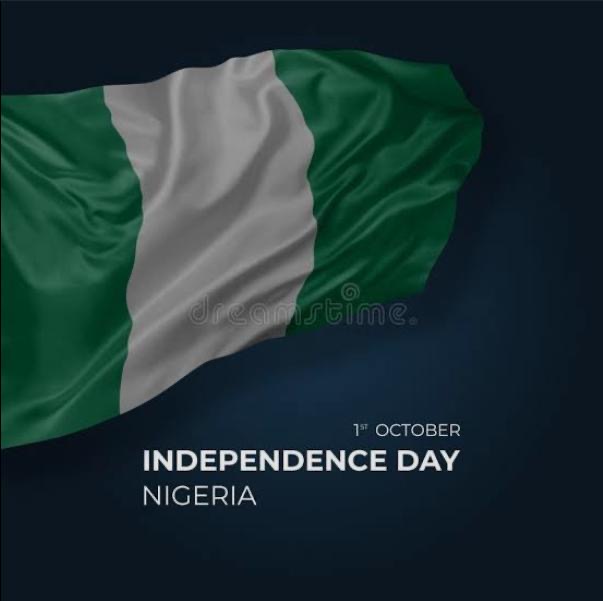
For many young Nigerians, October 1 is a date they know by heart.
Nigeria gained independence on October 1, 1960. It is a fact most students can recite without hesitation. But beyond the date, how much do young Nigerians actually know about the events, struggles and people that made independence possible?
For some, Independence Day has gradually become associated with the familiar green-and-white decorations, patriotic messages and a public holiday. Yet behind the celebration is a history that goes far beyond a date in a textbook.
The story of Nigeria’s independence was shaped by political mobilisation, labour activism, protests, negotiations and disagreements over what the country should become after colonial rule.
One of the important moments in that history was the 1945 General Strike, which lasted 44 days and involved thousands of workers. Trade unionists, including Michael Imoudu, played prominent roles in challenging colonial labour policies and demanding better conditions. The strike demonstrated that organised workers could become a powerful force in the struggle against colonial authority.
Women were also part of this political history, although their contributions are sometimes reduced to brief textbook references.
Funmilayo Ransome-Kuti, for instance, is often remembered for being one of the first Nigerian women to drive a car. But her public life extended far beyond that detail. She became a prominent campaigner and helped lead the Abeokuta Women’s Union in its opposition to taxation and colonial policies affecting women.
These stories matter because they change the way independence is understood.
October 1, 1960 was not simply the day a colonial government handed over power and Nigeria began a new chapter. It came after years of political activity and competing demands for self-government.
In 1953, Anthony Enahoro moved a motion in the Federal House of Representatives calling for self-government in 1956. The motion generated significant debate, including opposition from Northern representatives who preferred self-government “as soon as practicable”. The disagreement reflected the different political interests and visions that existed among Nigerians even before independence.
That complexity is important.
Nigeria’s independence story was never the story of one person, one region or one political movement. It involved different groups, different demands and different ideas about the country’s future.
Yet for many students, much of this history is encountered primarily through examination preparation: dates, names, constitutional developments and political milestones to memorise and reproduce.
The danger is not in learning the dates. The problem begins when the dates become the entire story.
Knowing that Nigeria became independent in 1960 tells us when. Understanding the labour strikes, political movements, protests, negotiations and disagreements helps explain how.
And that distinction matters beyond the classroom.
A young person who understands the history of colonialism can better appreciate why questions of identity, political power, economic independence and national development continue to appear in Nigerian conversations. History gives context to the present. Without that context, Independence Day can easily become another annual celebration without much reflection on what independence was expected to mean.
There is also a need to make history easier for young people to encounter outside traditional classroom settings.
Digital storytelling, documentaries, podcasts, archives, interviews with older generations and accessible historical content can make these stories more available to students who may never encounter them in detail during a lecture.
The responsibility also extends to young Nigerians themselves. Family stories, books, documentaries, museums, archives and credible historical sources can provide perspectives that go beyond what is required for an examination.
The question, therefore, is not simply whether young Nigerians know that Nigeria became independent on October 1, 1960.
It is whether they understand the struggle behind that date.
Because independence is more than a date to memorise.
It is a history of people who organised, protested, negotiated and argued over what freedom should look like, and a history that continues to shape how Nigerians understand their country today.
As Nigeria marks 66 years of independence today, perhaps the most meaningful way to celebrate is not only to display the flag, but to take another look at the story behind it.
How much of Nigeria’s independence story do we really know?


 lasuconscience
 Fridaus Ogungbayi, Editor, LASU Conscience