
 Abiola Kilanko, Editor, LASU Conscience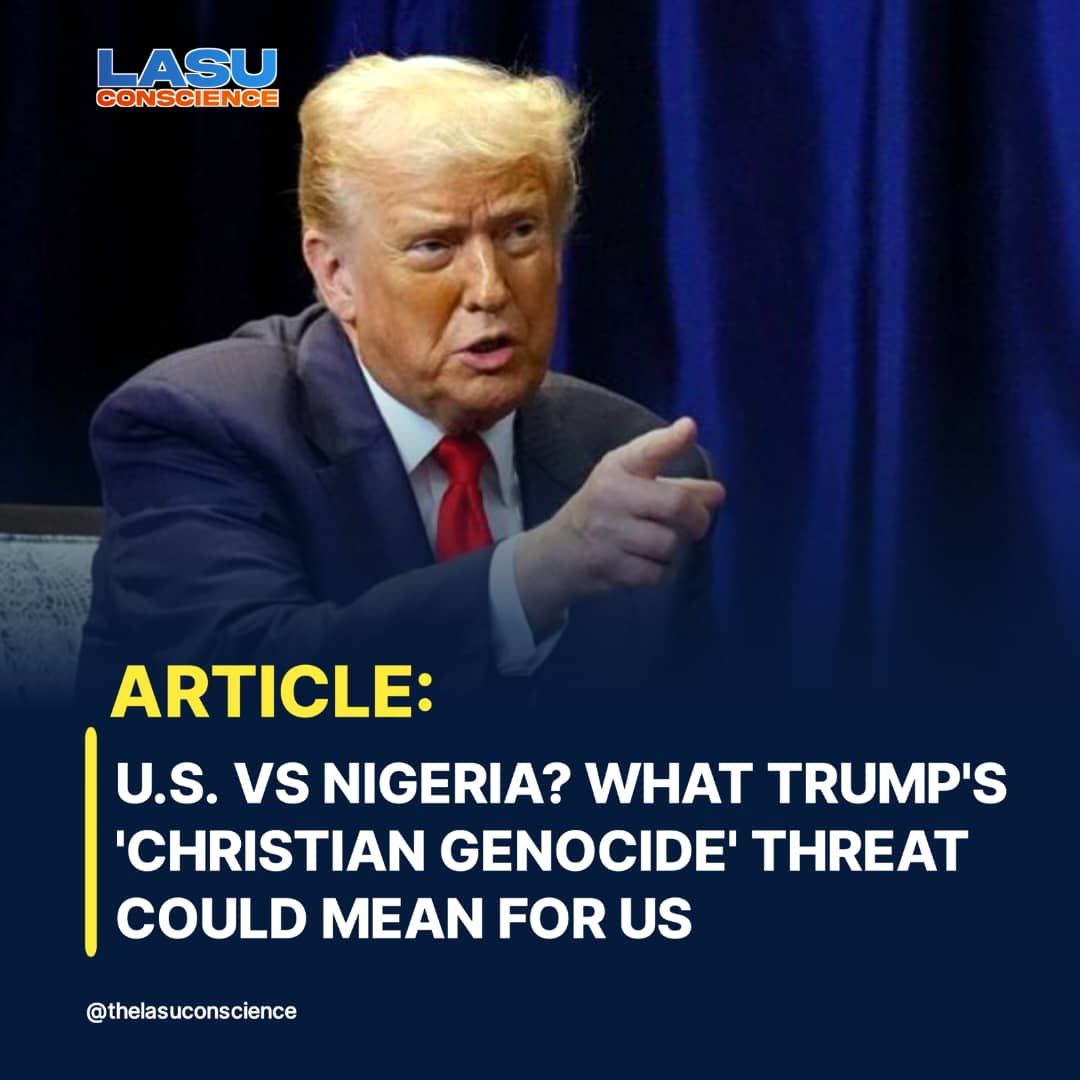
Once again, Nigeria finds itself at the centre of a global conversation; and this time, it’s about religion, war, and the world’s most powerful nation. What began as a social media outburst has now snowballed into a diplomatic storm that could reshape not just our politics, but our future as young Nigerians.
The Nigerian social media space was set agog over the weekend after the former President of the United States, Donald Trump, made an announcement via X (formerly Twitter), literally threatening the Nigerian government to “get their s**t together or the U.S. military was going to come guns a-blazing to put a stop to what was perceived as Christian genocide in Nigeria.”
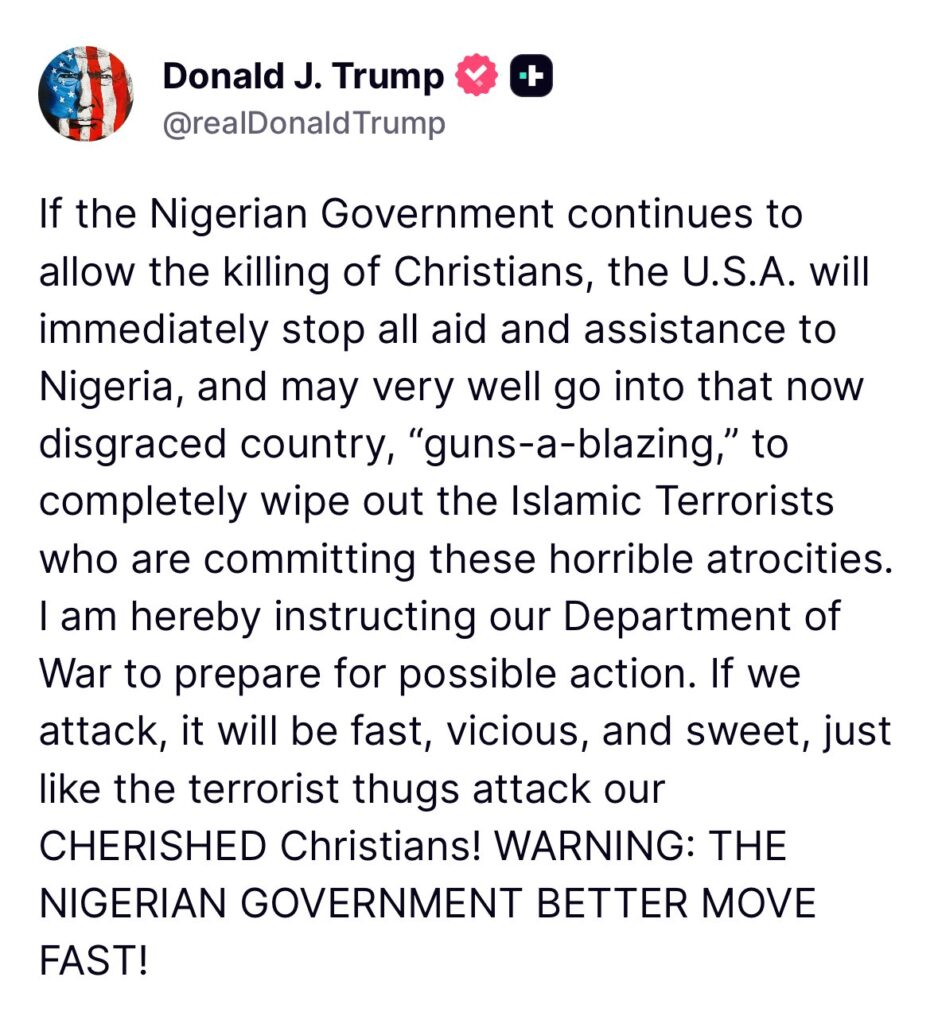
This came just a few days after he made a similar post designating Nigeria as a “Country of Particular Concern.” The news has been received with mixed feelings. While some Nigerians agree that it is time for a superior external power to intervene in the country’s ongoing fight against terrorism, others believe such help should not come from someone with questionable views on race, and from a country known for joining wars that were never theirs to fight in the first place.
The Conspiracy Theories
There have been numerous conspiracy theories flying around the internet as to why the U.S. has suddenly developed this ‘bright’ idea of becoming the new saviour of Christians in Nigeria.
The “natural resources” school of thought believes that the U.S. intends to combat terrorism while simultaneously helping itself to some of Nigeria’s natural endowments. They might not be entirely wrong, judging from countries the U.S. has “helped” in the past.
Iran had oil, but the U.S. used Weapons of Mass Destruction (WMD) as an excuse to infiltrate. Libya had gold and oil which the U.S. felt it could “put to good use” under the guise of restoring democracy. Drug-ridden Venezuela is also not left out, rather, it is another oil-rich country currently being eyed by the U.S.
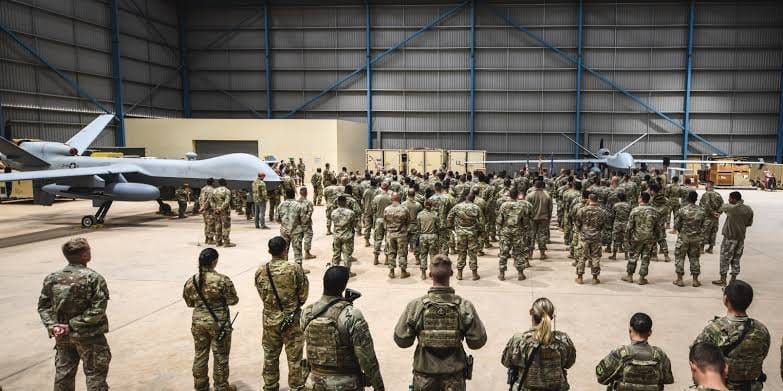
We can all guess America’s excuse for wanting to be in Nigeria so badly: Christian genocide. The proposal by the U.S. to set up a military base in Port Harcourt — a terrorist-free zone — further lends credence to this theory.
Another conspiracy theory suggests that the U.S. is uncomfortable with the growing defiance of some countries in the Sahel region like Niger, Burkina Faso, Mali, and Chad toward the West. By establishing a military base in Nigeria, the U.S. could instill fear in these “arrogant” nations and keep their ambitions in check.
Yet another theory argues that the U.S. fears that if bandits, Boko Haram, and ISWAP are left to thrive in Nigeria, they could overrun the country sooner or later and join forces with America’s long list of sworn enemies such as the Taliban in Afghanistan and Al-Qaeda in Iraq, thereby giving Uncle Sam a headache he could have avoided if he had acted sooner.
Is There Really a Christian Genocide in Nigeria?
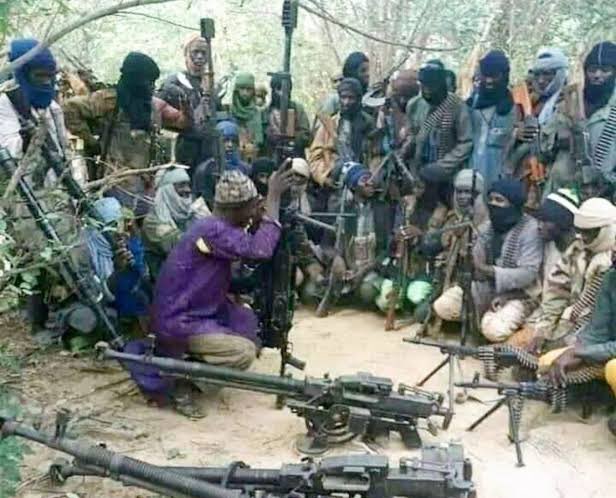
While it cannot be said that there is no Christian genocide ongoing in Nigeria, it is equally true that Muslims are also killed as much as Christians. The Northwest, Northeast, and North-central regions, currently plagued by terrorism are predominantly inhabited by Muslims, though there’s also a significant Christian population.
Perhaps concentrated killings like the Owo church massacre, the 2023 Christmas attacks on 17 villages in Plateau State (which left over 300 Christians dead), and the recent Benue killings, have led many to believe that Christian genocide is indeed on the rise in Nigeria.
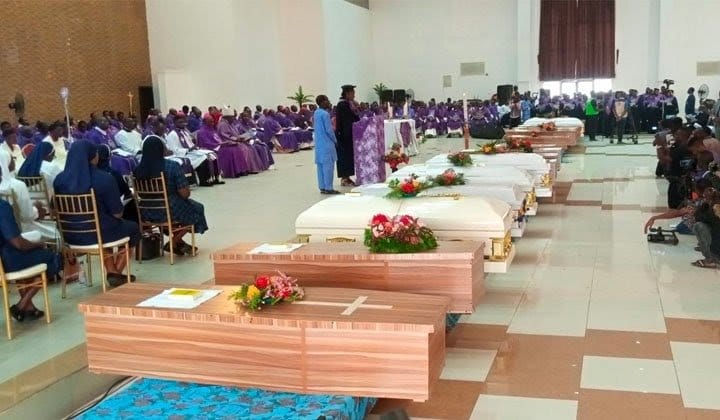
Does the United States Really Care About the So-Called Christian Genocide?
The answer to this question remains elusive. What is certain is that the killing of Nigerians — irrespective of their religious ties — has been going on for ages. A show of affection to Nigeria by the U.S. in her most vulnerable moment, though very much appreciated, is more than meets the eye.
The U.S. holds a not-so-good reputation for invading and trampling on the sovereignty of other countries under the guise of humanitarian or democratic missions, and subsequently leaving them in a greater mess than they met them. Afghanistan, Libya, and Somalia are living testimonies to this fact.
Sudan and The Congo are countries in Africa currently experiencing worse humanitarian crises than Nigeria, yet the U.S. has shown little to no interest in helping them. Why, then, this sudden concern after failed attempts in Venezuela, Mexico, Panama, Greenland, and even Canada? Why must it hide under the umbrella of “Christian genocide” before offering help? Sadly, only the self-acclaimed “God’s Own Country” can answer these questions.
Will Nigeria’s Educational System Be Affected by a Possible Invasion?
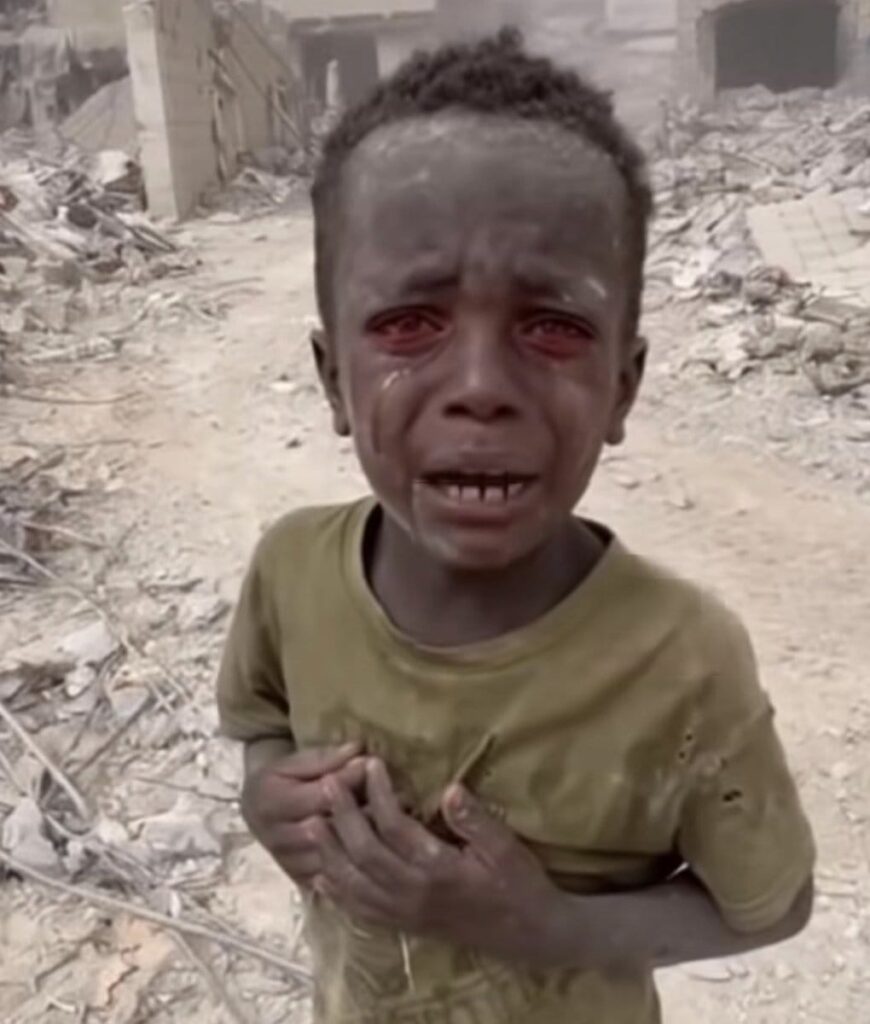
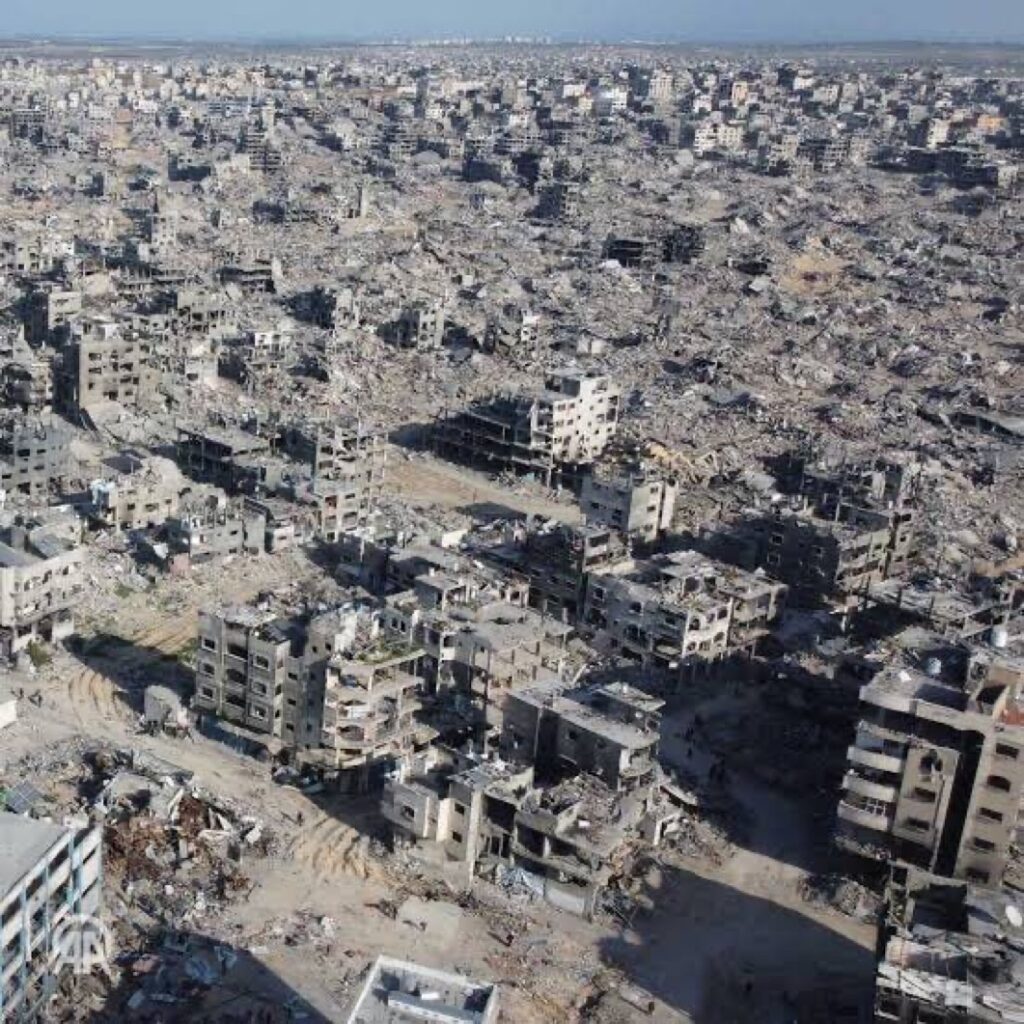
Absolutely yes. And not only will the educational system suffer, but every sector of the country will never remain the same again, especially in areas that will serve as theatres of war.
Green zones (conflict-free areas) will get congested, and the number of displaced persons will skyrocket. Education becomes a luxury during wartime; when you’re fighting to stay alive till the next day, schooling won’t even make it to your to-do list until the conflict ends, or until the conflict sees the end of you.
Forceful conscription into the military is also likely to occur in the event of a full-scale war against terrorism.
Should We Welcome Uncle Sam?
At this point, this question isn’t even debatable, as the U.S. has reportedly given the Federal Government an ultimatum which is: eradicate the killings or prepare for a forceful invasion. The likelihood or otherwise of an invasion now rests in the hands of the Nigerian government.
Let’s just hope the government does the needful and keeps the U.S. at bay.
What This Means for Us as Students
For Nigerian students, this conversation isn’t just another political hot take, but in fact a glimpse into how global politics can directly alter our daily lives. Every bomb blast, policy shift, or diplomatic misunderstanding eventually trickles down to classrooms, campuses, and even social media spaces where young people like us live out our dreams.
When nations clash, we are the ones who inherit the aftermath: disrupted schooling, economic uncertainty, and an unstable future. So, while world powers debate religion, oil, and influence, Nigerian students are simply asking for peace, stability, and a country where education doesn’t have to pause for politics or war.

 Idowu Araoluwa, Editor, LASU Conscience
 Akojede Oluwadamilola, Correspondence, LASU Conscience