
 Adesanya Gift, Correspondent, LASU Conscience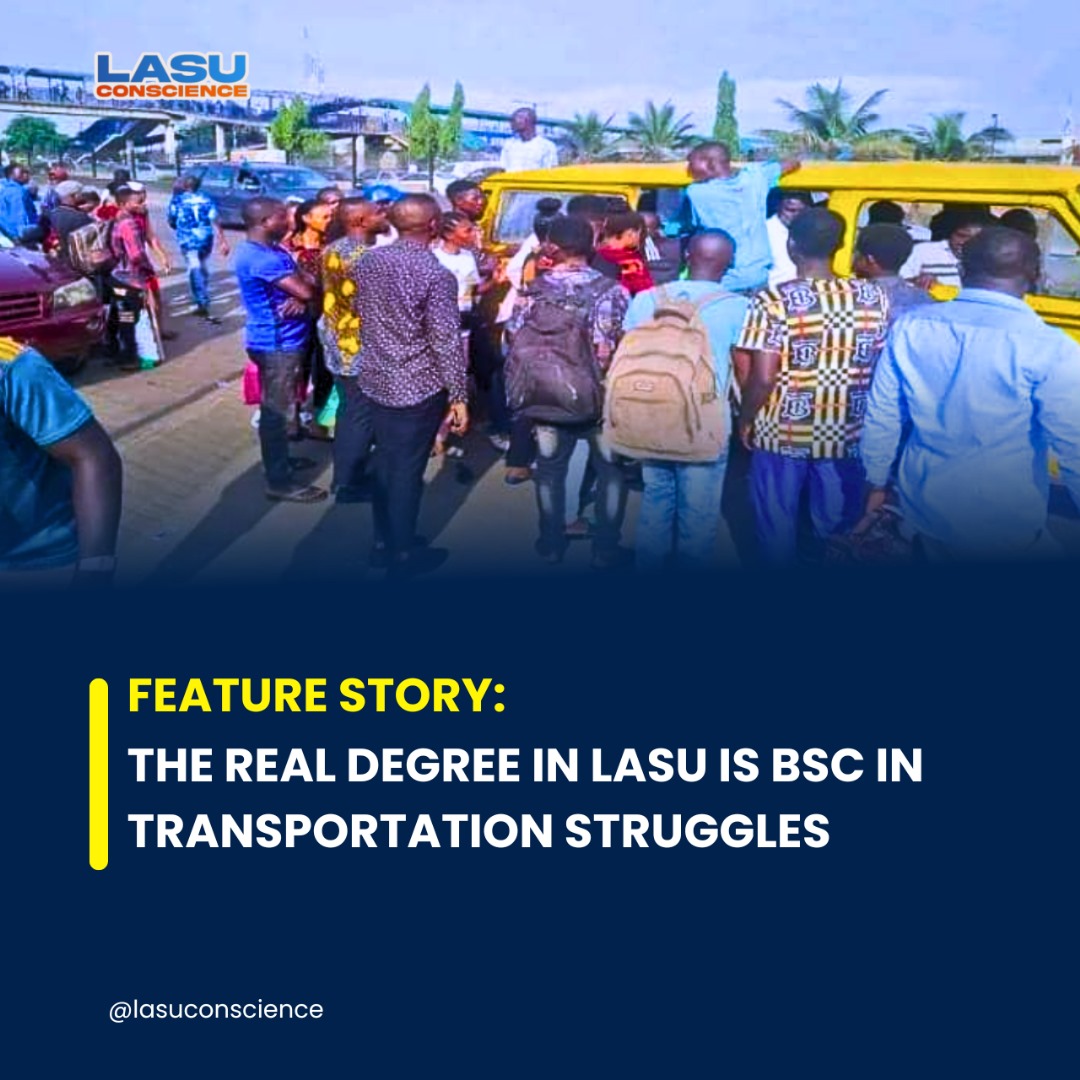
After the hurdles of passing the Joint Admission and Matriculation Board Examination (JAMB) and finally gaining admission into one’s dream university, there’s hardly a joy that compares. The excitement is contagious—the preparations, the new clothes, the fresh sense of independence. But the moment your feet touches the campus grounds, real life begins, and with it comes a parade of challenges. Well, life is full of hurdles, innit?
Among the countless struggles undergraduates face, one has become particularly unbearable—Transportation.
If we were to start a podcast for Nigerian undergraduates, we’d have endless episodes filled with rants about the daily struggle to get to school. But lately, transport costs have topped the chart of student complaints, slowly killing the zeal to attend lectures.
The Daily Struggle
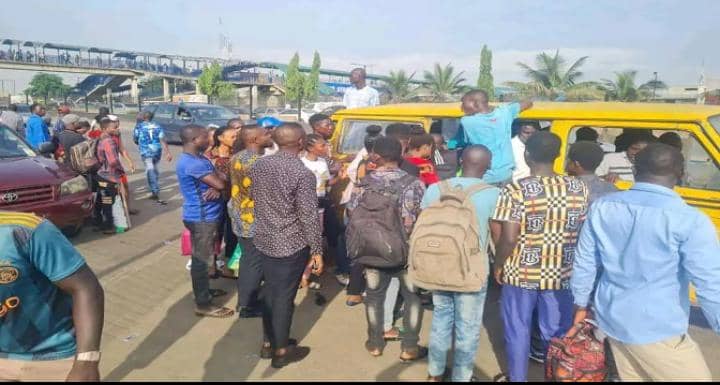
Coming to school every day as a LASUite is no small feat. The rising cost of transportation has turned what used to be a simple routine into a tough financial decision. For many students, the cost of moving between home and school has doubled, or even tripled in recent months.
Buses, tricycles (popularly called maruwa), and commercial motorcycles (okada) have all increased their fares.A trip that once cost ₦100 or ₦200 can now gulp between ₦300 and ₦500, depending on distance and time of day. When you add that up for a week, the amount competes dangerously with many students’ monthly allowances. (How much is our allowance again, abeg?)
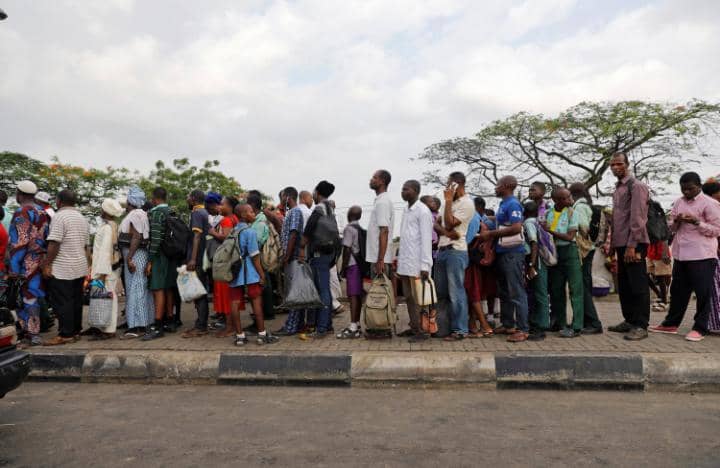
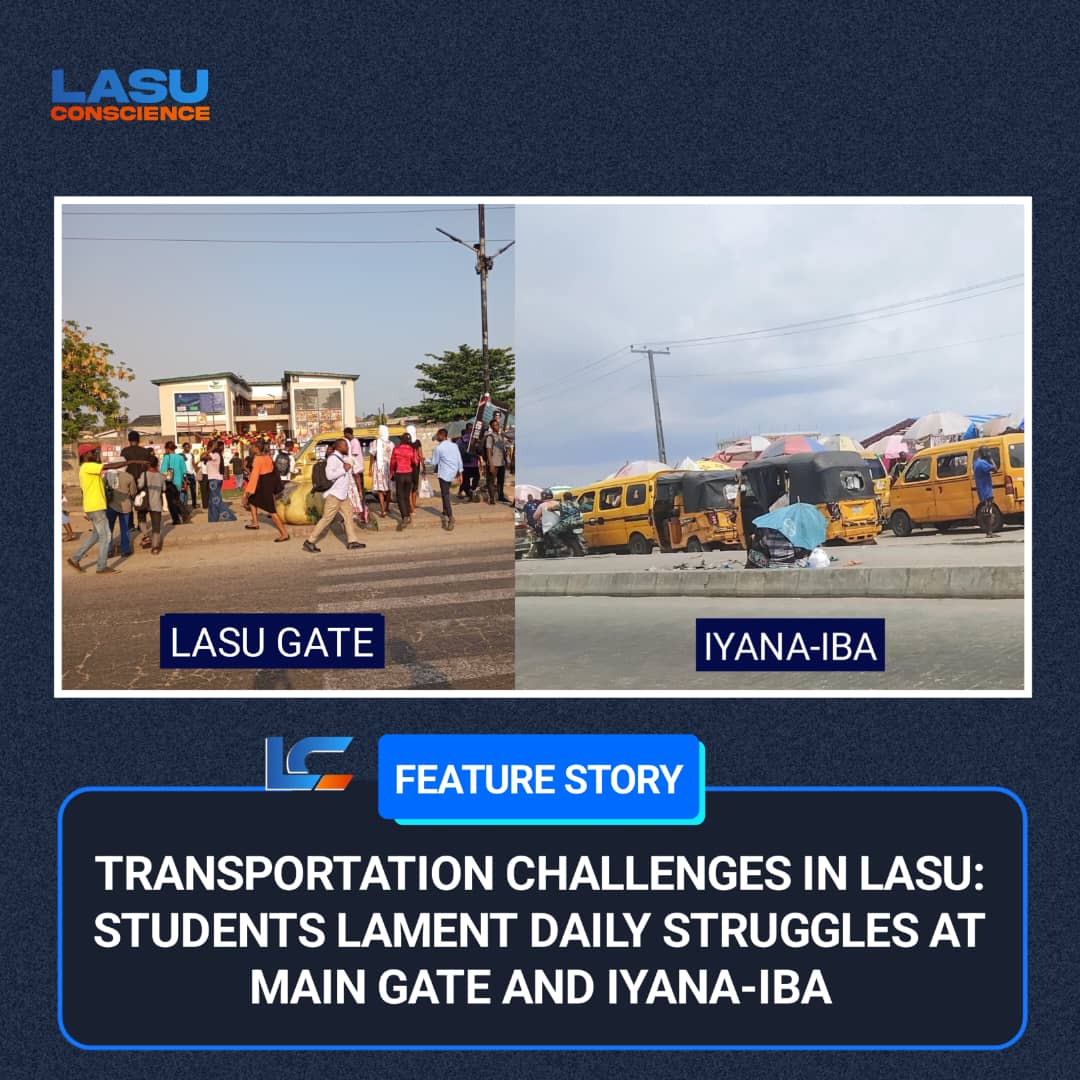
During evening rush hours, the situation gets even worse. As is typical in our society, that’s when transport operators unleash their power, hiking fares mercilessly. Being at LASU Gate around 6 or 7 p.m. will quickly teach you the importance of leaving campus early—or prepare you for an unplanned dent in your wallet.
The Effects: When Transport Becomes a Test
The hike in transport fares has taken a heavy toll on students’ routines, academics, and overall well-being. Some now skip classes when they can’t afford transport, while others sacrifice meals or basic needs just to stay consistent with lectures. For students with lecturers who are strict about attendance, or who love springing unannounced tests—missing class isn’t even an option.
It’s a daily battle between financial survival and academic commitment. “Before subsidy removal, I spent ₦200 daily on transport, but now I spend almost ₦800,” said a 200-level student from the Faculty of Education. “Sometimes, I just stay at home when I don’t have enough. It’s not like I don’t want to attend lectures, but transport alone is draining.”
For those relying solely on monthly stipends from parents, the new reality has thrown their budgets into chaos. What used to last weeks now barely sustains them for a few days. “My parents still send the same amount they used to,” a 300-level student shared. “They’re also struggling financially, so I can’t complain too much. I just have to manage.”
A Not-So-Lasting Solution
In a bid to ease the burden, the 35th LASUSU administration introduced two shuttle buses to provide cheaper transportation for students within and around campus. For a few days, it brought much-needed relief.
However, the initiative collapsed after some days due to sustainability challenges, rising fuel costs, maintenance issues, and the overwhelming number of students compared to the limited buses. During those brief days, the queues were long, and the buses overcrowded.
A final-year student described it as “a good initiative that could have really helped, but failed too soon.”
The Way Forward
Many students are still languishing under the burden of transportation costs, hoping that their voices reach the right quarters. Possible solutions include partnering with private transport companies, introducing more campus shuttles, or negotiating fare discounts specifically for LASU students.
Until then, the struggle continues. As students juggle the rising cost of living with the pressures of academic life, one thing remains clear: the journey to class has become a test of endurance.

 Oluwarantimi Oludase, Deputy Editor-in-Chief , LASU Conscience
 Abiola Kilanko, Editor, LASU Conscience