
 Idowu Araoluwa, Editor, LASU Conscience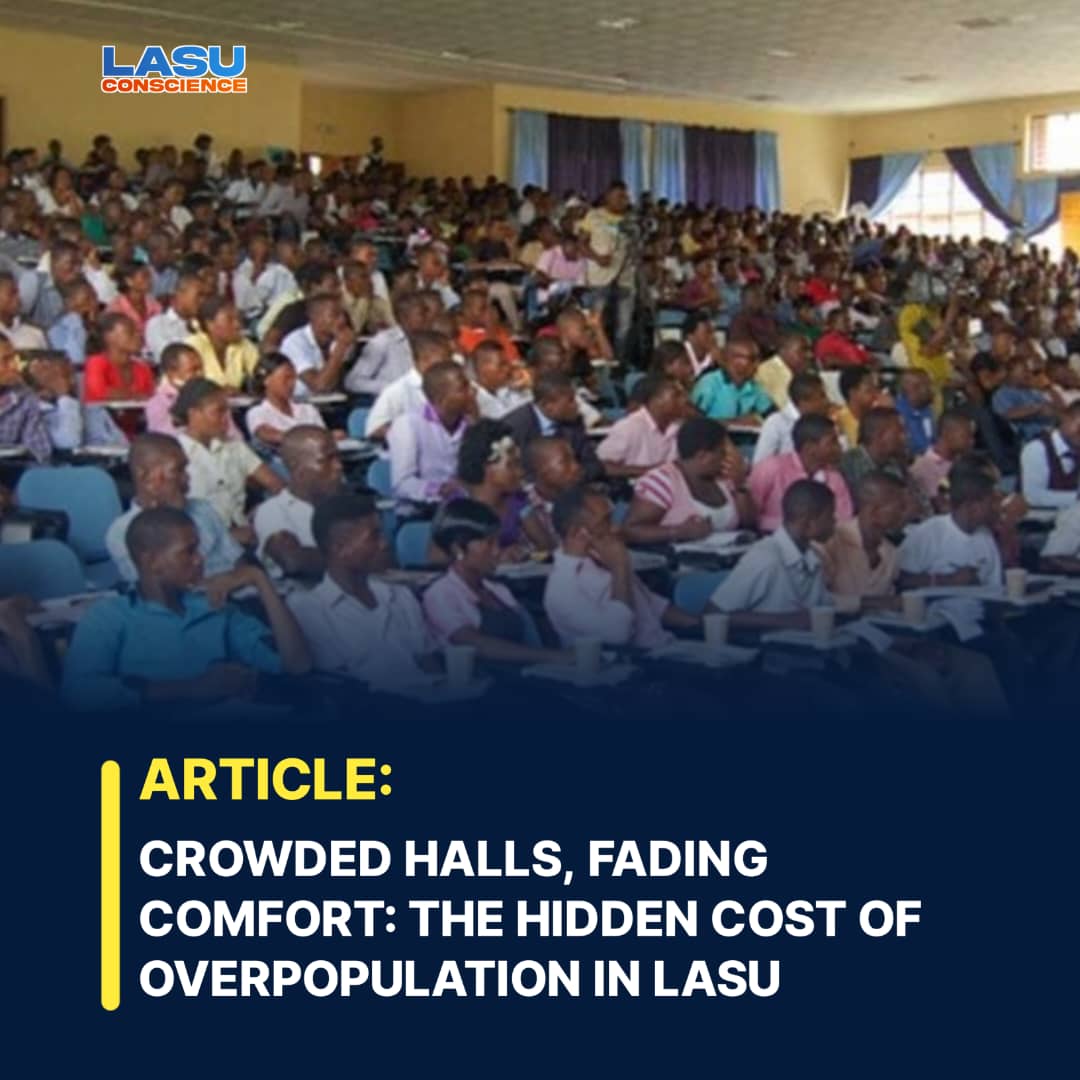
Over the years, Lagos State University (LASU), has been in the spotlight, winning multiple awards and recognitions for its outstanding performances in academics, innovation, and extra curricular activities.
For decades, the university has consistently raised the bar, positioning itself as a model for state, federal, and private universities in Africa. In recent rankings, LASU achieved remarkable success in the 2024 Times Higher Education (THE) Sub-Saharan Africa Rankings, emerging as the Best State University in Nigeria, the second-best public university overall, and the 30th best university in Africa.
Further cementing its reputation, LASU is well known for its yearly production and due rewarding of excellent students. In 2023, Olaniyi Mubaraq Olawale received the award for his exceptional 4.98 CGPA, while in 2025, Isioma Sybil Nwosu was celebrated with the same honor.
No doubt, the state university is actively living up to its motto, achieving greatness, year in, year out. Interestingly, like sugar attracting ants, the now “school of first-choice” has been leading as top Nigerian institution in the hearts of “Jambites.”
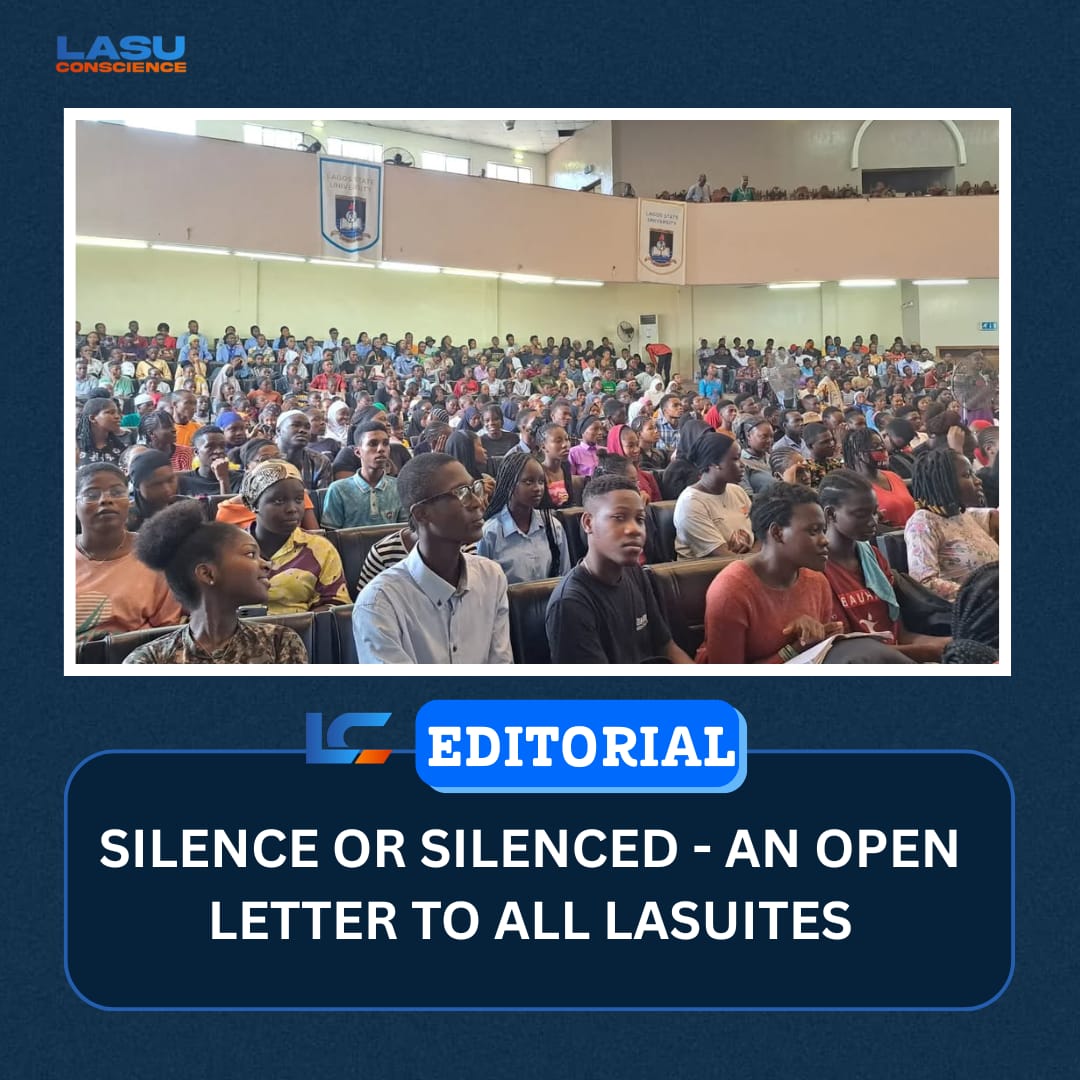
Early this year, it was reported that LASU had over seventy thousand (70,000) applicants for the 2025/2026 academic session. The school also celebrated the matriculation of 12,590 students on February 18, 2025. This can be tagged a win that deserves our applause, but reality is beginning to set in, and the big question is, “Does the university have enough room for us?”As lecture halls overflow, and basic resources thin out, we have to wonder if the university has the resources to cater for the huge number of students it continues to admit.
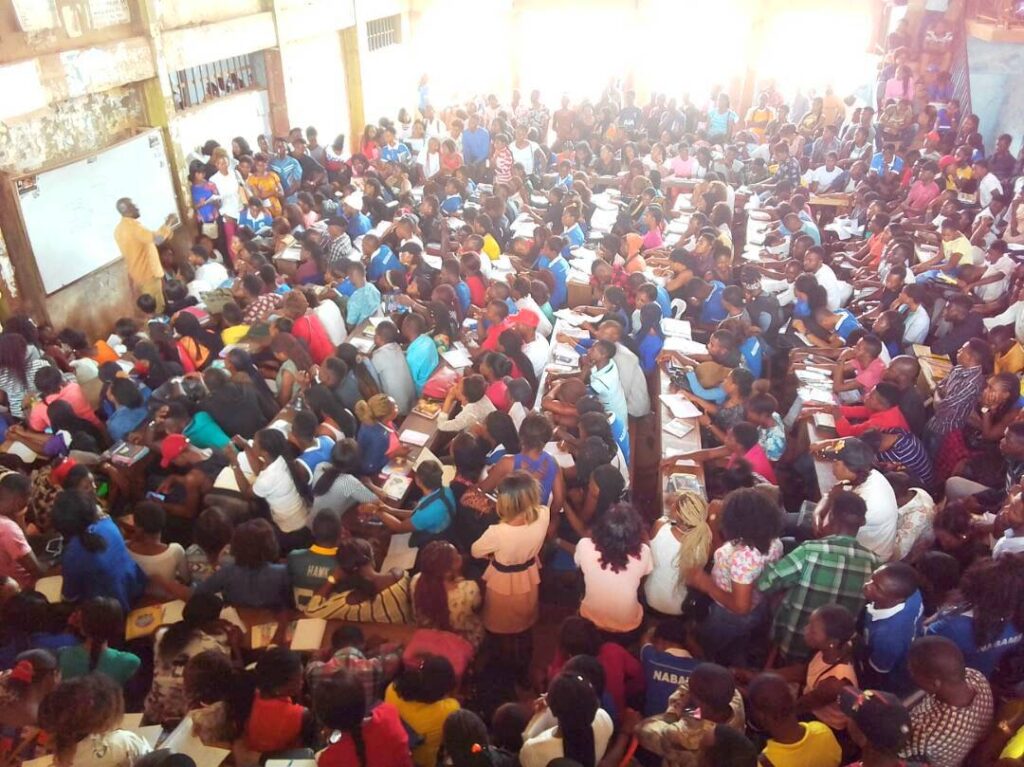
From over crowded classes to an overstretched academic staff, the signs of strain are everywhere.Students jostle for seats, attention, and opportunities. The facilities meant for hundreds now serve thousands. Our congested classrooms are beginning to tell a story that is hard to ignore- ambition is outpacing infrastructure! Every new session welcomes more faces, more names, more hopes.
Behind the bustle of campus life lies a quiet frustration. Imagine a lecturer having to stand in class to teach over three hundred students, without being able to gauge understanding or individually engage them. In a classroom of crowds, teaching will become mechanical. Many lecturers find it hard to keep up with the students. They become frustrated and begin to treat them harshly. The blame is not entirely theirs. Let’s be honest, the system is becoming draining.
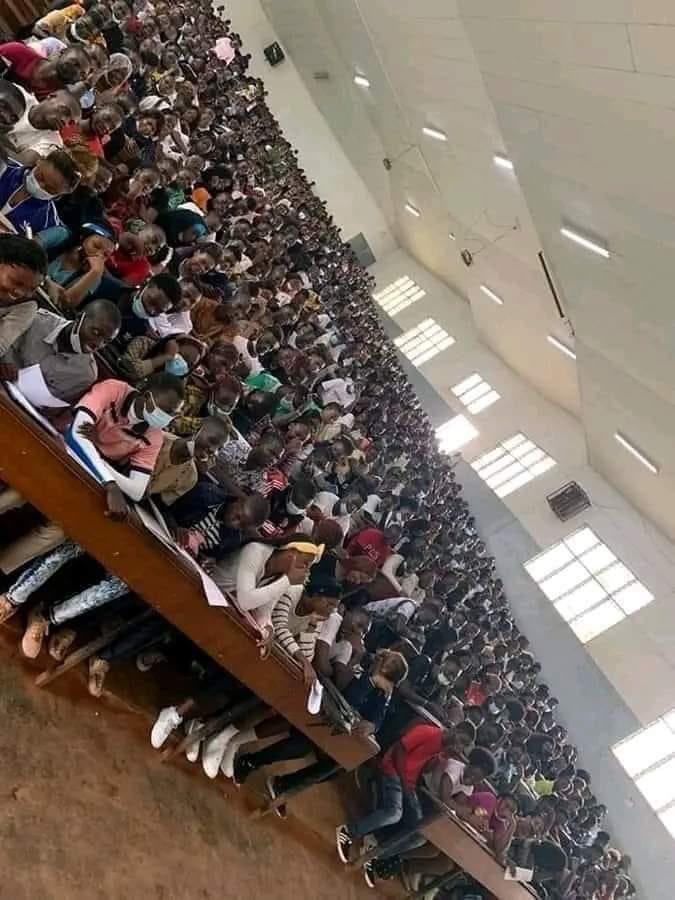
300 Level Mass Communication student, Temiloluwa said her experience as a student in an overpopulated class has been draining. “It is so bad that a classroom cannot accommodate all of us. Some are either standing, sitting on the floor or standing outside the classroom,” she added.
For students like Temiloluwa, attending classes is more like a nightmare, considering the stress and struggle that comes with being a course mate to over 300 people. You all want a seat, but there are only reservations for a half. There comes in the chaos–a rush to secure space, murmurs filling the hall, bags marking territories, long before their owners arrive.
However, there’s been a new system that has introduced virtual classes, offering students who are over 400 in a class, to take their lectures from comfortable areas. Now, the struggle for physical seats is replaced by the convenience of logging in from anywhere; Attendance no longer hinges on stamina or luck, and the focus can finally shift back to learning rather than competing for space.
The introduction of the virtual class for classes more than 400 hasn’t been fully implemented, and while some departments have started following the directive, there are still some buts that can be worked on. Many recipients of these virtual classes have bemoaned network issues, light, data cost, among others, which have been posing as an hindrance to the virtual classes.
While the introduction of virtual classes is a welcome initiative, there are several steps that need to be put in place to ensure its efficiency. If the aforementioned challenges are not looked into, then the virtual classes stand a huge risk of not being sustained.
We urge the University management to look into these issues, and see how the virtual classes and physical classes can successfully thrive, ensuring an efficient learning environment for students in the process.
We hope that the virtual classes will be fully implemented, making learning more inclusive, flexible and engaging.


 Abiola Kilanko, Editor, LASU Conscience
 Akojede Oluwadamilola, Correspondence, LASU Conscience